
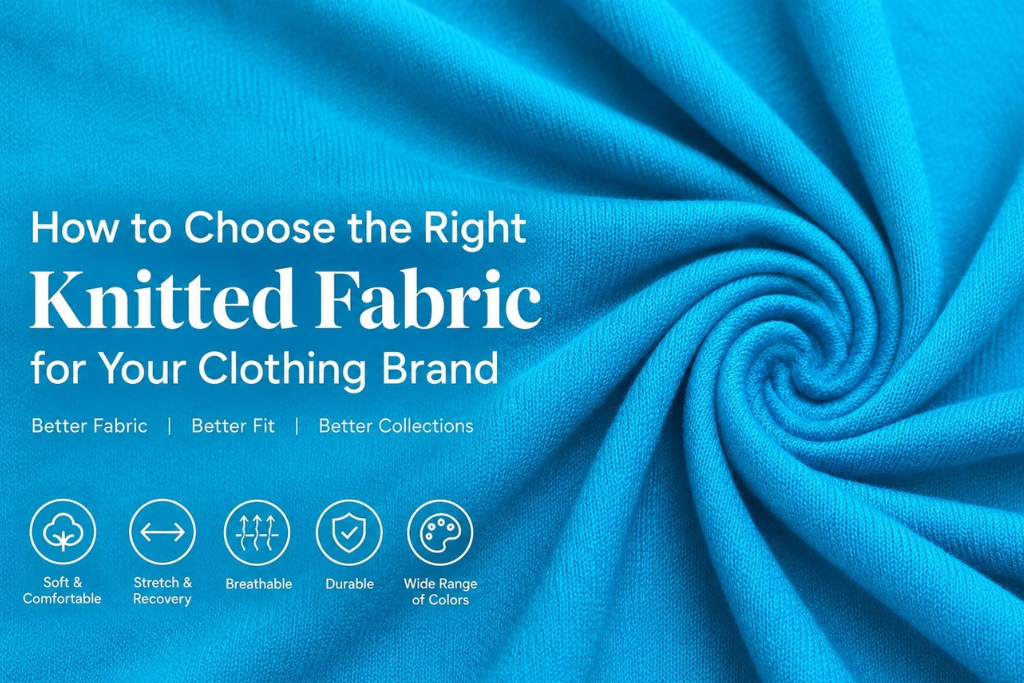
How to Choose the Right Knitted Fabric for Your Clothing Brand
How to Choose the Right Knitted Fabric for Your Clothing Brand
Knitted Fabrics Manufacturers in India play a critical part in assisting clothing companies in experimenting with various types of fabrics for their clothing collections. The selection of the appropriate fabric type is one of the critical considerations in making clothing collections. The fabric type will determine the look, feel, fit, and performance of your clothing when worn repeatedly. Whether you are going to create casual wear including t-shirts, sportswear, sweatshirts, or designer fashion wear does not really matter, because an appropriate selection of fabrics will help you make good quality garments which will satisfy your clients.
Knowing the Types of Knitted Fabrics
The formation of fabrics is based on the intertwining of the yarn loops that provides fabrics with softness and comfort. Nevertheless, all knitted fabrics have different properties, depending on the use of the clothing that will be produced.
Examples of knitted fabrics include the following:
- Single Jersey: This fabric is light and comfortable, and it is used to make T-shirts and casual wear, and other general clothing.
- Interlock: Structured knitted fabric that provides more stability and comfort. It is appropriate for producing expensive clothing.
- Rib Knit: An elastic and comfortable knitted fabric, usually used in the production of neckbands, cuffs, waistbands, and fitted garments.
- Fleece: A soft and warm knitted fabric for producing sweatshirts, hoodies, and winter clothing.
- Terry Lycra: An elastic and comfortable knitted fabric for producing sportswear and other clothing requiring stretchability and comfort.
Check Stretch, Recovery, and Comfort
The comfort and fit of the fabric have an important effect on the consumer’s satisfaction. The fabric may be visually appealing, yet may not have the proper degree of elasticity or the appropriate feel for use in your collection.
In assessing knitted fabrics, consider the following:
- Stretch – indicates ease of elongation of the fabric while moving or wearing.
- Recovery – the ability of the fabric to return to its initial condition after elongation.
- Softness – is crucial for those types of clothes that make direct contact with the body.
- Breathability – helps determine the overall comfort level of the fabric in different weather conditions and activities.
In the case of activewear, sportswear, and fitted clothes, the stretch and recovery are especially important. For everyday T-shirts, the softness and breathability will play more important roles.
Match the Fabric to Your Clothing Collection
Fabric attributes vary based on the type of clothing that is being produced. Rather than simply picking fabric according to appearance or cost alone, think about how the completed item of clothing will actually be used.
Casual Clothing
With regards to casual items of clothing such as T-shirts and casual tops, manufacturers may wish to consider fabrics that are comfortable, breathable and easy to care for. Single jersey and other appropriate lightweight knits can be considered depending on the specific design.
Activewear and Sportswear
Sportswear needs fabric that enables mobility and provides comfort during physical activities. The fabric required for gym wear, activewear, and sportswear should be flexible and should have moisture management properties.
Sweatshirts and Winterwear
For hoodies, sweatshirts, and winter collections, warmth, weight of the fabric, softness, and durability are some factors to be considered. Fabrics like fleece and other heavier knit fabrics may be considered depending on the style of the garment.
High-End Fashion
Fabrics used to make premium fashion clothing could take into consideration appearance, surface smoothness, and even colour consistency.
Evaluate Fabric Quality, Durability, and Colour Options
A fashion brand needs to have fabric with consistent performance from the manufacturer to the end user. While having an attractive fabric may be part of what makes one choose a certain fabric, other factors are also vital, like how durable, attractive, and its performance after washing.
Among the things you should check before making a bulk purchase include:
- Pilling resistance: determine whether the fabric forms little balls of fiber when used or washed.
- Colorfastness: ensure that the color of the fabric is appropriate after washing and wearing.
- Shrinkage: see whether the fabric changes size after washing.
- Surface appearance: look for consistency and appropriate surface appearance.
- Strength/durability: look at the ability of the fabric to withstand its intended use.
It is also useful to compare fabric samples from various suppliers.
Choose a Reliable Knitted Fabric Supplier
In selecting the supplier, there is a high likelihood of affecting the quality of manufacturing and the delivery experience of the clothing brand’s products. The supplier should be able to understand the needs of the client and assist in finding the appropriate fabrics for the design of the clothes.
Some factors that you may need to consider when choosing knitted fabric suppliers are:
- Variety of fabrics and knitting constructions.
- Their ability to supply fabric samples for testing.
- GSM and other fabric specifications.
- Availability and consistency of colors.
- Quality of production and quality control.
- Communication, quantity, and delivery.
Cooperating with experienced Knitted Fabric Manufacturers in India will allow you to choose fabrics that are suitable for different collections of your brand. You need to tell the manufacturer about your requirements and expectations from the fabric.
Test Samples Before Placing a Bulk Order
One of the most effective approaches in fabric selection is the testing of samples before finalizing any production order. Although the fabric may look ideal, its performance characteristics may be quite different depending on the knitted construction and the composition of the fabric.
Begin by asking for fabric samples and evaluating how the fabric feels, stretches, and performs during production.
A Short Checklist for Testing Fabrics
- Check the softness and overall quality of the fabric.
- Determine the GSM value.
- If needed, check stretch and recovery.
- Wash the fabric to see whether it shrinks and retains color.
- Look at the quality of the fabric and its pilling resistance.
- Stitch a test garment using the fabric samples.
This testing procedure can help you avoid production mistakes.
Build Your Clothing Brand with the Right Fabric from PI Cottex
PI Cottex realizes that selecting the right fabric in the knitting process is essential in the creation of quality clothing collections. The right knitted fabric will enhance the design of your clothing, provide the necessary comfort, as well as suit your production needs. Through fabric selection, GSM, stretchability, and durability of the samples, clothing brands will be able to make more informed decisions regarding their apparel manufacture.
If you want to create casual wear, sportswear, or other knitted clothing collections, you can partner with PI Cottex as your fabric supplier for the identification of the right knitted fabric for your needs. Contact PI Cottex regarding your fabric needs.
0 comments