
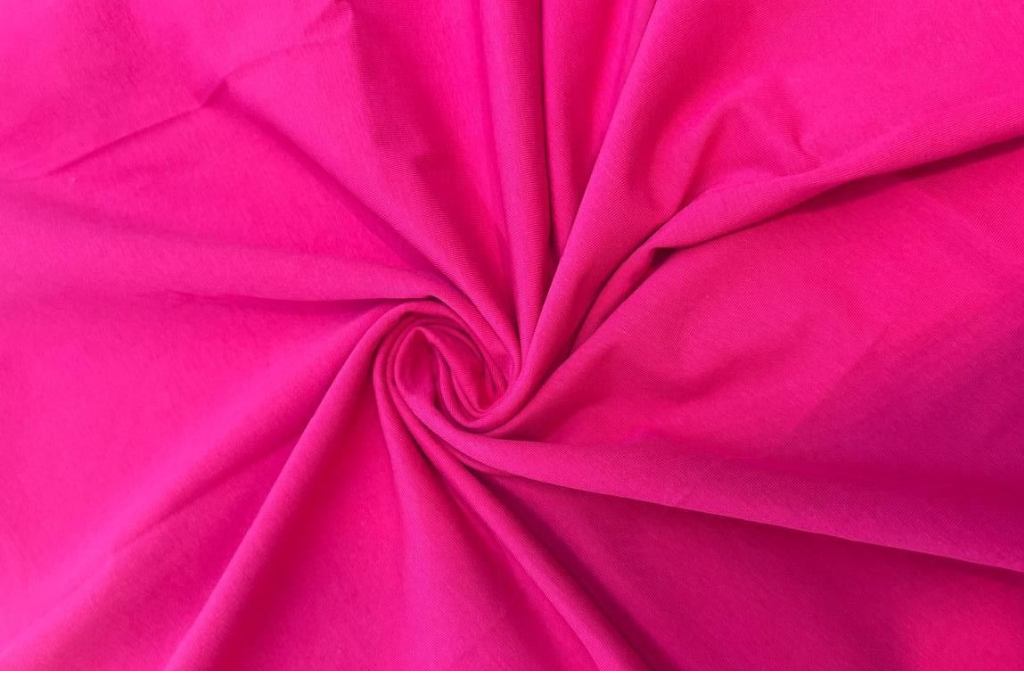
How Single Jersey Fabric Balances Softness, Stretch, and Breathability
Among the range of comfortable and versatile textiles that have captured the attention of fashion industry players, there is a special mention for single jersey fabric. In the production of sportswear, casual wear, activewear, and even children’s clothing, the importance of single jersey fabric lies in its comfortable feel and elastic nature. The producers of knitted fabric manufacturers in India cater to the growing market demands of such fabric because people seek clothing options that offer comfort alongside flexibility and wearability.
It should be noted that it is precisely the knitting technology that contributes to the uniqueness of single jersey fabric. While woven fabrics are formed by the crossing of warp and weft threads, knitting forms the loops in the fabric. It is these loops that give single jersey fabric distinctive qualities.
The Knitted Structure Behind Single Jersey Fabric
The process of making single jersey fabric mostly involves using a circular knitting machine with only one set of needles. The manufacturing process creates the light fabric characterized by a smooth texture on the face side of the material and a slightly uneven texture on the reverse side.
The construction of the fabric is very important in relation to its performance.
- Natural Elasticity
The interconnected loops of stitches make the fabric capable of stretching naturally, especially in width. This makes it the right fabric for making garments that can stretch easily when worn.
- Light Fabric
Due to the rather simple knit construction, the fabric can be light in weight even when providing enough coverage. This makes it a good choice for casual garments.
- Yarns Used in Manufacturing
Single jersey fabric can be made from cotton, polyester, viscose, blends, and other types of fibers. The kind of fiber used affects the performance of the fabric.
The capability of altering the properties of the fiber makes single jersey a versatile choice for making garments.
How Single Jersey Delivers a Soft and Comfortable Feel
The softness of the knitted loops forming the fabric is among the major characteristics of the single jersey material, which makes the fabric an ideal choice for the manufacture of clothes that directly contact the skin. Cotton single jersey is especially known for its softness and comfort of wear.
Even when blended fabrics are created to meet certain requirements in performance, the softness of the finished fabric may be maintained.
Among the factors that influence the softness of the fabric are:
- Selection of fibres and yarns
- Count and construction of yarn
- Density of knitting
- Finishing operations of the fabric
- Washing operations of the fabric
A properly manufactured single jersey fabric would have both the softness of the fabric and the necessary strength to withstand normal wear and frequent washings.
The Role of Stretch in Everyday Apparel
One other advantage associated with single jersey material is that it is highly stretchable. This is because knitted materials comprise loops.
Consequently, it is more flexible compared to many conventional woven materials. This flexibility means that the material can conform to the movement of the body and hence can be used in products like T-shirts, tops, dresses, undergarments, sportswear, and loungewear.
The extent to which the fabric is stretchable can be customized depending on the use of the material. For instance, the material can contain elastane or spandex if more recovery is required. A cotton single jersey material that does not have spandex can naturally have some level of stretch.
Why Breathability Makes Single Jersey a Popular Choice
The ability to breathe is important when it comes to clothes meant for constant wearing. The loop construction of single jersey allows air to pass through the fabric, creating comfortable conditions for wearing.
- Enhanced Air Flow
Spaces in the knit structure provide room for air circulation. Hence, the fabric is ideal for use in garments meant for wear in warm weather or during normal activities.
- Moisture Management Capability
The fabric fibre blend determines the moisture management capability of the fabric. Cotton fibres have a good ability to absorb moisture, while synthetic fibres can be chosen for quick drying.
- Wearable for Prolonged Periods
Since single jersey fabric is relatively lightweight and flexible, it helps make garments comfortable to wear for an extended period. That is why the fabric is widely used in casual wear and sleepwear, among others.
An optimal combination of yarn, GSM, and finish improves the breathability capacity of the fabric.
Finding the Right Balance Between Softness, Stretch and Durability
The production of good-quality single jersey fabrics entails more than choosing a yarn and initiating the knitting process. It involves balancing some elements to create such a fabric.
Very light fabric will be breathable but needs extra focus on its durability. Increased stretch may also help in improving the flexibility of the fabric but may influence its recovery ability, weight, and touch, among others, depending on the type of fibres used.
Elements to be considered include:
- Fibre Combination
For instance, cotton fibre will be able to offer natural comfort and softness, polyester will give the fabric more durability, and elastane offers stretch and recovery properties. The combination of the fibres could be considered.
- GSM of Fabric
It gives an idea of the weight of the fabric. Lighter fabrics have low GSM while heavier fabrics have high GSM.
- Knit Quality
Good quality knit helps in maintaining the quality of the fabric. Poor knitting may influence the appearance of the fabric and its functionality.
- Finishing Techniques
These are techniques that include softening, bio-washing, compacting, and other processes that help in improving the end product.
Applications of Single Jersey Fabric Across the Apparel Industry
The versatility of the single jersey makes it possible to use the fabric in the manufacture of a variety of clothing products.
Some typical uses are:
- Casual wear and fashion clothing
- Clothing for kids and babies
- Underwear and basic clothes
- Loungewear and nightwear
- Sportswear
- Dresses and other types of fashion wear
Various uses may have varying requirements. For instance, an upscale T-shirt will need a soft cotton blend with certain GSM content, while athletic clothing may need a blend that has good stretch and moisture properties.
This versatility has made single jersey a versatile fabric option for many brands targeting various consumers.
Choose Quality Single Jersey Fabric with PI Cottex
It becomes essential to pick the proper suppliers of fabrics to ensure consistency in the quality of the products offered by apparel manufacturers and brands. From fiber choice, knitting accuracy, GSM requirements, and even finishing, each of those steps may have an effect on the quality of single jersey fabric.
The company PI Cottex specializes in offering high-quality knitted fabric solutions for different applications and needs of the apparel and textiles industry. Considering fabric construction, comfort, consistency, and specific customers’ needs, PI Cottex aims to assist companies that require reliable knitted textile solutions.
Whether it’s everyday fabrics, flexible fabrics used in apparel, or breathable constructions, picking the right manufacturing partner can be important in getting the best results. One of the reliable knitted fabric manufacturers, PI Cottex, knows how important it is to offer soft, stretchable, breathable, and durable fabrics.
0 comments