
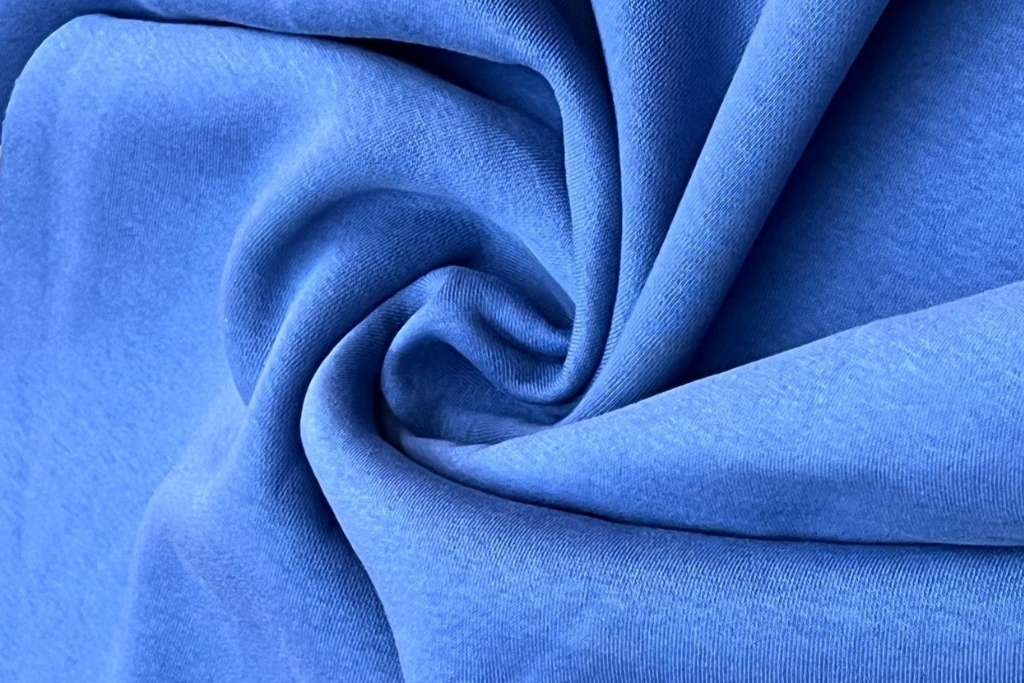
Impact of Thickness of Fleece Fabric on Warmth and Comfort
The textile industry is aware that fabric thickness significantly impacts the quality of performance of the material. In the case of fleece fabric, thickness is crucial for warmth, softness, weight, breathability, and general comfort of the fabric. Therefore, choosing the appropriate thickness is necessary for making clothes and textile products that are fit for various weather conditions.
Fleece is extremely common in sweaters, jackets, hooded coats, blankets, tracksuit clothing, and all other cold weather clothing because of its insulating properties. However, not all kinds of fleece fabric are equally warm.
Understanding Fleece Fabric Thickness
The concept of fleece thickness basically means the level of substance or density of the fabric. A thick fleece tends to have more substance in its makeup, hence more insulating power.
Fleece is lightweight, soft, and can be layered; medium weight is a combination of comfort and insulation, while heavy weight fleece is suitable for cold climates where insulation is required.
Thicker does not necessarily mean better. There is a combination of other factors that make up the fleece performance.
How Thickness Affects Warmth
The main benefit of using thick fleece is that it can hold more air inside. The presence of air helps create a layer of insulation that prevents body heat loss.
As a general rule:
- Lightweight fleece – appropriate for mild climates and layering.
- Medium weight fleece – provides moderate insulation for regular winter wear.
- Heavyweight fleece – improves insulation properties for cold conditions.
Yet, not always does thickness equals better quality. Too heavy material may be unnecessary for indoor activities or physical training.
Thickness and Everyday Comfort
Comfort is not just based on warmth. Weight, softness, flexibility, and breathability of the fabric all play a role in determining how comfortable the fleece clothing will be when worn for an extended period of time.
Fleece that is light in weight will give a person better mobility as well as ease in layering underneath jackets. Fleece with medium weights is both comfortable and offers the wearer warmth along with flexibility. Heavy-weight fleeces will give warmth and comfort but may not be suitable for an active use application due to overheating.
The right selection of thickness of the fleece will benefit the manufacturer.
Breathability and Moisture Management in Relation to Warmth
Thicker fleeces provide wonderful warmth, but one cannot ignore the issue of breathability. Too much trapping of heat can make wearing a garment uncomfortable while moving.
The nature of fabric helps to determine how efficiently moisture and excess heat will be transported away from the body. Moderate-weight fleeces would be more appropriate for activewear and sportswear than thick ones.
This makes fabric choice very critical for companies making clothes for varied activities and weather conditions.
Choosing the Right Thickness for Different Applications
Fleece fabrics are needed in varying thicknesses for different types of products. It will vary according to the needs of the product and the environment where it will be used.
Some of the common applications are:
- Hoodies & Sweatshirts: Use of fleece of moderate thickness.
- Winter Jackets: Heavy fleece can provide extra insulation.
- Track Suits: Use of light to moderate fleece for easy movement.
- Blankets: Thick fleece may provide more warmth.
- Layering Garments: Use of light fleece for layering.
All of these considerations help in choosing suitable fabric specifications.
Does Thicker Fleece Always Mean Better Quality?
Fabric thickness should not be mistaken for fabric quality. In a good fleece, the right construction, even texture, dimensional stability, and the right kind of finishing are required according to the use that it will get.
The thin fleece will suit better for making light-wear clothes, whereas the thick fleece will serve well for winter clothing products. The quality of the fabric can be judged from the degree to which the fabric fulfills the needs of the final product.
Manufacturers should, therefore, consider all these factors, including softness, strength, stretchability, and recovery.
Fabric Selection, Finishing and Appearance
Appearance of the fabric after the final stage can also be affected by the finishing process. Different textures, colors, or other surface appearances can be demanded by the manufacturers according to the type of product.
Other processes like fabric printing in Ludhiana can also serve as means of creating unique textiles. Finishing or printing methods selected must be in line with the structure of the fabric to get consistent results.
It is thus possible to create fabrics that would have good functional properties along with their appealing appearance.
Choosing Fleece Fabric with the Right Balance
Fleece fabric that is considered best does not mean that it has to be the thickest one. It must simply be able to provide adequate levels of warmth, comfort, weight, breathability, and durability in accordance with its intended use.
It is important to know the effect of thickness on the performance of fabrics so that fashion brands, clothing manufacturers, and textile fabric buyers may make wise decisions in the selection process. Whether one wants to produce a thin layering fabric or a thick and heavy fabric, the choice of appropriate fleece construction can make a big difference.
PI Cottex
PI Cottex concentrates on providing quality textile fabric solutions tailored to satisfy the varied needs of contemporary textile manufacturing industries. By considering fabric construction, fabric consistency, and performance, PI Cottex aids businesses in getting reliable textile fabrics. When one wants to get suitable fleece and other textile fabric options, an experienced textile fabric provider will prove helpful indeed.
0 comments